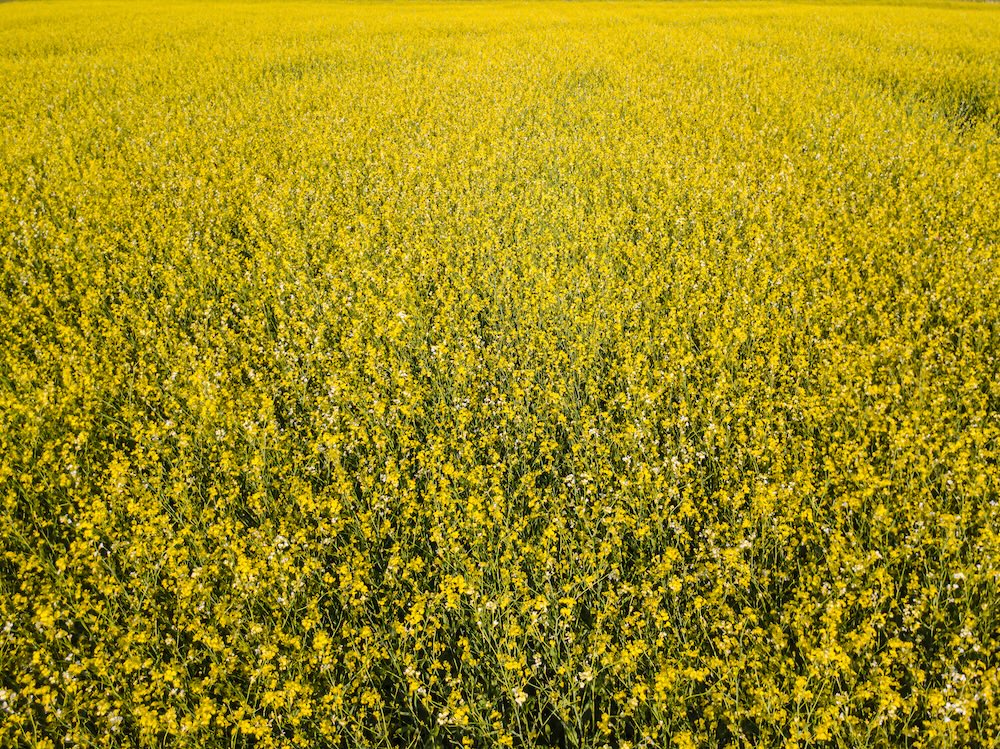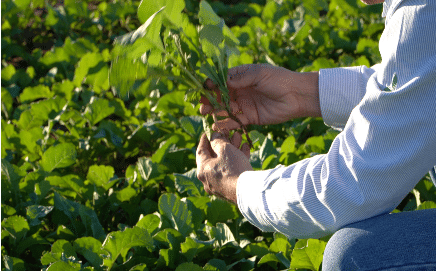

Nujet 350
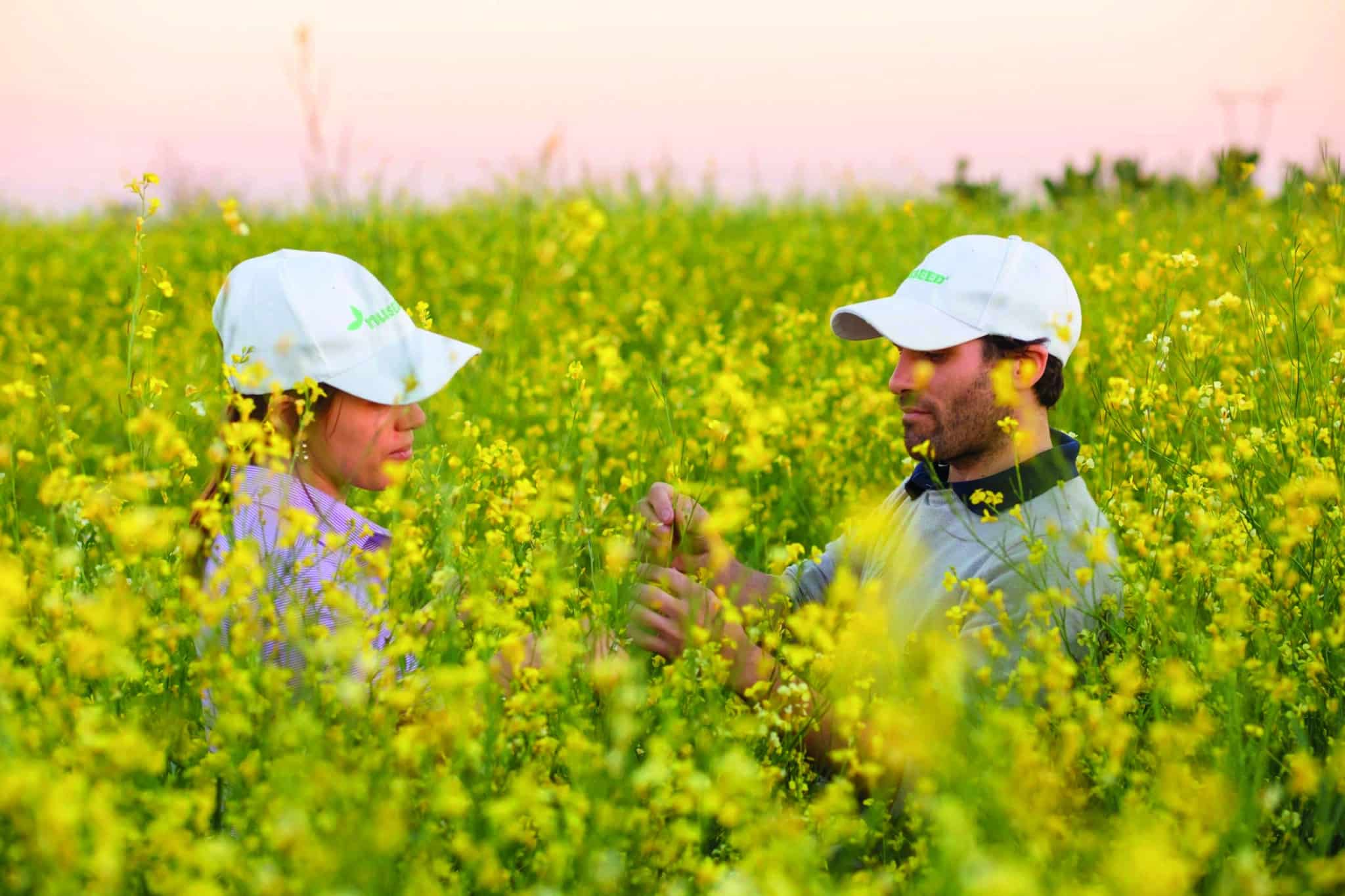
Brassica Carinata also called Ethiopian Mustard, is a winter/spring oilseed.
- Cover crop with a tap root.
- Inedible oil, second generation biofuels.
- Main use: jet fuel and protein meal for animal feed.
- Non GMO.
Nujet 350
- Carinata
- Biofuel
- Intermediate
- No Herbicide Trait
Carinata, also known as Brassica carinata, is a sustainable non-genetically modified oilseed crop. It’s harvested globally for alternative biofuels and animal feed. Here’s why it’s a game-changer: The Carinata seed has about 42-45% high-quality inedible oil in winter environments, making it an excellent alternative for the production of second-generation biofuels. It is a certified and sustainable crop that is inserted between existing rotations, providing the farmer with one more alternative for the diversification of crops in rotation.
Resources
If you’re looking for more information about our products, please visit our resources section.

Seed Disease Resistance
- Main diseases: Alternaria, Sclerotinia and Phoma
- Pests: Flea beetle and Pollen beetle
Management Recommendations
- Optimal sowing date: spring April-May, winter October-November
- Well-drained soils
- Depth: 1-2 cm
- Previous herbicides: does not tolerate ALS nor some PPOs
- Avoid seedbeds with heavy stubble or residue, if it’s the case
- Avoid sowing in plots with high presence of cruciferous
- Previous crop: lots without brassicas in the last 2 years
- Recommended sowing density: 4 kgs/ha (60 pl/m2 at harvest)
- At very low densities, thick stems can complicate the harvest.
- At very high densities, there is a risk of lodging.
- Important: good sowing distribution (rather than density)
- Ideal row spacing: 30-50 cm, preferably 40 cm
- Better weed control at shorter distances between rows
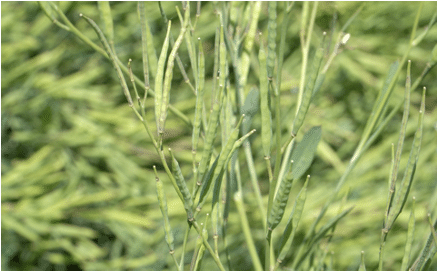
- Direct harvest (could be swathing)
- Very low dehiscence (shattering)
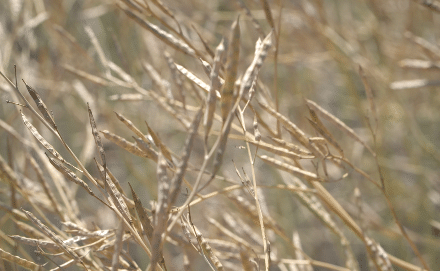
- Carinata is generally pod shatter resistant, so patience is advised if stems are still too green.
- Indicator: colour change of the seed: from green to a light tan or reddish colour
Seed Characteristics
- Low rates of seed shattering
- Higher resistance to peeling
- Health: higher tolerance to diseases, especially Phoma
- Rollover resistance: very good, with densities that are not too high
- Compensation capacity: exceptional (greater branching)
- Higher stubble volume
- Aggressive crop and will outcompete many winter weeds
Seed Agronomics
- Frost behaviour: capable of recovering from early frosts with good yield potential
- The most critical stage is in cotyledons or seedlings (very early frosts) and at the start of seed development (late frosts)
- Stubble cultivation to avoid excess residues in previous culture manage planting times to avoid frost in bloom the combination of frost and severe drought can cause high plant mortality
- Fertilisation: synthetic nitrogen: 60 un/ha of available nitrogen. A soil test must be done before the crop.
- Biostimulants and organic fertiliser (manure): no restrictions with prior content analysis and certification declaration
- Sulphur: 15-25 units sulfer really strong recommendation – to build oil content
- Phosphorus: at planting 20un in seed row
- Potassium: if 300 un in soil test – no need to add Potassium, if not 25-30 un / ha