

Commissioned by Nufarm and available exclusively to our network, the March 2026 Episode 3 Canola update outlines key market signals. The evolving conflict in the Middle East features prominently and shapes much of the current outlook.
Crude oil prices have increased, diesel and urea look more expensive and slower to land, meaning input budgets are more challenging to finalise this year.
At the same time, there are some steadier signals in the background. When the energy market lifts, biofuel demand often follows, which has a positive side effect on oilseeds, including canola.
There are record levels of stocks in canola globally, after a bumper crop in Australia, Canada and Europe in 2025. Additionally, for Australian-canola growers, the pricing gap between GM and non‑GM canola is narrowing as Canadian trade flows shift.
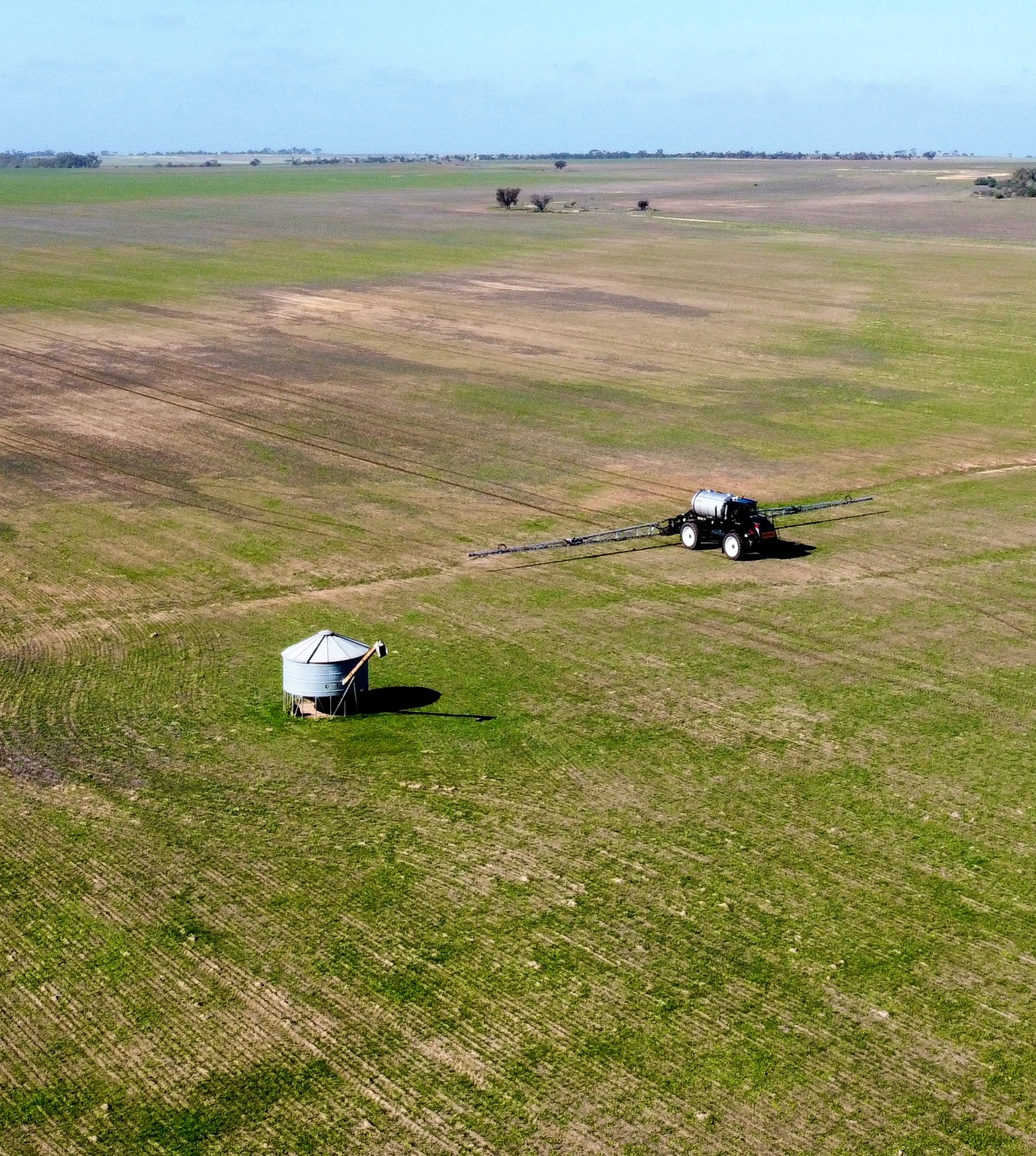
Key insights:
Fuel costs will pressure operations, but they may also support canola
Higher crude oil prices tends to feed directly into diesel and freight, which affects cashflow. The upside is that higher crude oil prices can improve the competitiveness of biofuels, which in turn can support demand for vegetable oils and help underpin canola value.
Urea risk is about both price and timing
Import prices are now above A$1,200/t and there are signs that some shipments may take longer to land than normal. With peak import volumes normally landing between April and June, slower arrivals mean some growers may choose to plan ahead in case deliveries are delayed.
Canada remains the key supply signal
Canada’s planting intentions have lifted to about 8.8 million hectares, a 1% increase on 2025. At the same time, China’s tariff cut has reopened a major outlet for Canadian seed, helping rebalance Canada’s export program. Together, area growth and renewed market access are pivotal for 2026 price direction that Australian growers will feel at the bid sheet.
The GM market is normalising
With Canada shipping seed to China again, the GM vs non‑GM price differential is tightening back toward 8–10 per cent rather than last year’s extreme premiums. For Australian growers, this means prices are less distorted by unusually high non‑GM premiums.